Call us
416-597-1604
Extremity Dysfunction Treatment in King West, Toronto
Pain or restriction in your arms or legs can quietly interfere with everyday life. Simple things—walking, reaching, lifting, gripping, or standing—can start to feel harder than they should. At King West Village Chiropractic Clinic, we look beyond the discomfort itself to understand how your joints, muscles, and movement patterns are working together. From there, we build a plan to restore function, reduce strain, and help you move more confidently.
Move Better. Hurt Less. Get Your Life Back.
Serving King West since 2002
Serving King West since 2002
What Extremity Dysfunction Is
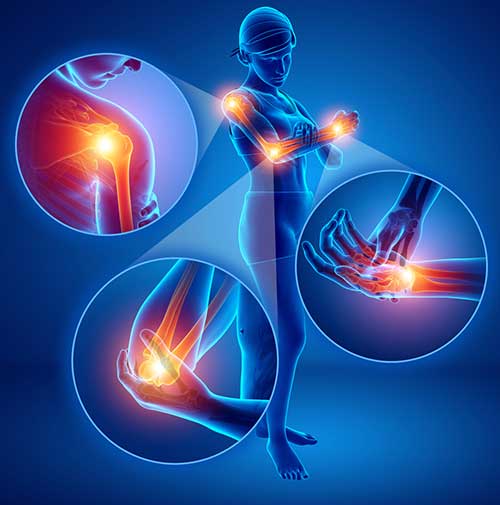
Extremity dysfunction refers to movement problems or discomfort in the arms and legs. This can involve the shoulders, elbows, wrists, hands, hips, knees, ankles, or feet.
Sometimes pain is obvious. Other times, it shows up as stiffness, weakness, reduced coordination, or a feeling that a joint simply isn’t moving the way it should.
Even small movement restrictions in the extremities can change how force travels through the body, leading to compensation patterns that affect posture and balance.
Sometimes pain is obvious. Other times, it shows up as stiffness, weakness, reduced coordination, or a feeling that a joint simply isn’t moving the way it should.
Even small movement restrictions in the extremities can change how force travels through the body, leading to compensation patterns that affect posture and balance.
Common Extremity Issues We Treat
Common extremity issues we treat:
- Patellar tendinitis
- Plantar fasciitis
- Hip dysfunction
- Carpal tunnel
- Frozen shoulder
- Rotator cuff sprain/strain
Common Symptoms and Signs
Extremity dysfunction can present in many ways.
Some people notice sharp pain during certain movements. Others feel a dull ache, stiffness, weakness, or a sense of instability. Some experience clicking, catching, or reduced confidence when moving.
Symptoms may be constant or only appear during activity. In either case, they can slowly limit how comfortably you move.
Some people notice sharp pain during certain movements. Others feel a dull ache, stiffness, weakness, or a sense of instability. Some experience clicking, catching, or reduced confidence when moving.
Symptoms may be constant or only appear during activity. In either case, they can slowly limit how comfortably you move.
When movement becomes restricted, the body adapts.
Muscles tighten to protect sensitive areas. Other joints begin to compensate. Over time, these patterns can spread strain to new areas of the body.
If these changes aren’t addressed, discomfort can become a long-term issue rather than a temporary one.
Muscles tighten to protect sensitive areas. Other joints begin to compensate. Over time, these patterns can spread strain to new areas of the body.
If these changes aren’t addressed, discomfort can become a long-term issue rather than a temporary one.
Our Approach to Extremity Care
At King West Village Chiropractic Clinic, we focus on how your joints and muscles work together.
Your care begins with a detailed assessment of posture, joint mobility, strength, and movement patterns. This helps us understand what’s limiting function.
From there, we create a plan to restore natural movement, reduce strain, and support long-term comfort.This approach is gentle, targeted, and always adapted to your needs.
Your care begins with a detailed assessment of posture, joint mobility, strength, and movement patterns. This helps us understand what’s limiting function.
From there, we create a plan to restore natural movement, reduce strain, and support long-term comfort.This approach is gentle, targeted, and always adapted to your needs.
What to Expect at Your First Visit
Your first visit is designed to give you clarity.
We’ll talk about your symptoms, how they started, and what movements feel restricted. We’ll assess joint mobility, muscle balance, and coordination.
Everything we find will be explained in simple language so you know what’s happening and what your options are.
We’ll talk about your symptoms, how they started, and what movements feel restricted. We’ll assess joint mobility, muscle balance, and coordination.
Everything we find will be explained in simple language so you know what’s happening and what your options are.
When You Should Seek Care
If arm or leg discomfort is affecting your ability to move comfortably, work, or stay active, it’s worth having it assessed.
Recurring pain, weakness, stiffness, or reduced confidence in movement are all signs that your body may need support.
Recurring pain, weakness, stiffness, or reduced confidence in movement are all signs that your body may need support.
Extremity Dysfunction FAQs
- What is extremity dysfunction?
Extremity dysfunction refers to movement problems, pain, or restrictions in the arms or legs, including the shoulders, elbows, wrists, hands, hips, knees, ankles, and feet. - What causes extremity dysfunction?
It can be caused by joint restrictions, muscle imbalances, overuse, past injuries, poor movement patterns, or repetitive strain. - Can extremity issues affect other parts of the body?
Yes. When one joint isn’t moving properly, other areas often compensate, which can lead to strain in the spine, hips, or shoulders. - What does extremity dysfunction feel like?
It may feel like pain, stiffness, weakness, instability, reduced range of motion, or discomfort during specific movements. - Can chiropractic care help extremity problems?
Chiropractic care may help by improving joint mobility, reducing mechanical strain, and supporting better movement patterns. - What happens during an extremity assessment?
We assess posture, joint mobility, muscle balance, and movement patterns to understand what’s limiting function. - Can I combine treatments like massage or acupuncture?
Yes. Many patients combine chiropractic care with massage therapy, acupuncture, or soft-tissue therapies. - When should I get extremity pain checked?
If pain, stiffness, or movement limitation is recurring, worsening, or interfering with daily life, it’s worth having it assessed.